Oven Cleaning in a Busy Home: Practical Tips, Expert Advice, and Lasting Results
Keeping your kitchen fresh, safe, and pleasant to use starts with one often-overlooked task: oven cleaning. A clean oven does more than improve appearance. It helps food taste better, reduces smoke and odors, supports energy efficiency, and prevents stubborn grease from building up over time. Whether you cook every day or only on weekends, regular oven cleaning can make a noticeable difference in how your kitchen feels and functions.
Many households delay oven cleaning because it seems time-consuming or difficult, but the truth is that simple habits and the right approach can make the job easier. From baked-on spills to greasy racks, every part of the appliance benefits from routine care. If you have been searching for effective methods, safe products, and smart ways to keep your appliance in great shape, this article covers everything you need to know about oven cleaning in a practical, reader-friendly format.
In today’s kitchens, people want cleaning methods that are effective, safe, and suited to their lifestyle. That is why oven cleaning has become such an important topic. Some homeowners prefer natural solutions like baking soda and vinegar, while others use self-cleaning cycles or professional services for deep results. Whichever method you choose, the goal is the same: a spotless appliance that works efficiently and supports a healthier cooking environment.
Why Oven Cleaning Matters for Every Kitchen
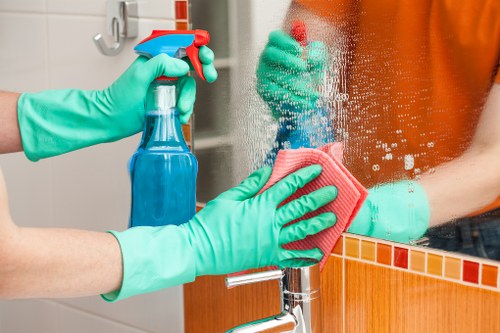
Oven cleaning is not just about keeping up appearances. When grease, food residue, and carbonized spills accumulate, they can affect flavor, cooking performance, and even safety. Burnt-on residue may release smoke during high-temperature cooking, and that can affect the taste of meals as well as the comfort of your home. Regular oven cleaning helps prevent this cycle before it starts.
Another important reason to prioritize oven cleaning is appliance longevity. Grease buildup can interfere with heating elements, fans, and seals, forcing the oven to work harder than necessary. Over time, that extra strain may lead to inconsistent temperatures, longer cooking times, and more wear on internal components. A clean oven is more likely to perform reliably and efficiently.
There is also a hygiene benefit. Food debris and sticky residue can attract bacteria, mold, and pests if left for too long. While an oven’s high heat reduces some risks during cooking, the chamber still benefits from a clean and sanitary environment. Consistent oven cleaning supports a more pleasant kitchen overall and makes everyday cooking feel much more enjoyable.
How Often Should You Clean an Oven?

The ideal frequency for oven cleaning depends on how often you cook and what kinds of meals you prepare. If you regularly roast, bake, or prepare dishes that splatter grease, you may need to clean the oven more often than someone who uses it only occasionally. As a general rule, a light clean every few weeks and a deeper clean every few months works well for many homes.
Spot-cleaning after messy meals can make a huge difference. If something spills while baking, once the oven cools down, remove the residue before it hardens. This small habit can save hours later. In fact, many people find that consistent oven cleaning becomes far easier when they handle spills right away instead of waiting until the whole appliance needs a major scrub.
It is also helpful to watch for signs that your oven needs attention. These may include visible grease on the door glass, smoke during preheating, burnt smells, uneven heating, or dark stains on the interior walls. When you notice those signs, it is usually time to schedule a more thorough oven cleaning session.
Safe and Effective Oven Cleaning Methods
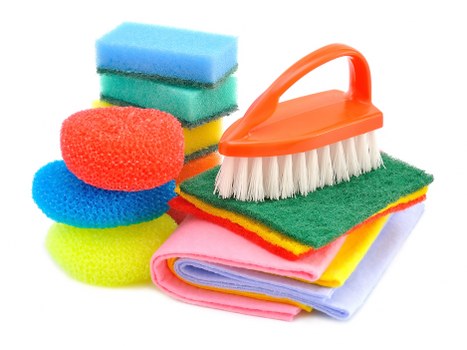
There are several ways to approach oven cleaning, and each method has its own advantages. The right choice depends on how dirty the appliance is, how much time you have, and whether you prefer natural ingredients or stronger commercial products. What matters most is choosing a method that removes grime effectively without damaging surfaces.
One popular option is the baking soda paste method. This approach uses a mixture of baking soda and water to create a spreadable paste that clings to greasy surfaces. After letting it sit for several hours or overnight, you can wipe away softened grime with a damp cloth. Many people like this method because it is gentle, affordable, and well suited to routine oven cleaning.
Another option is a commercial oven cleaner. These products are designed for heavier buildup and often work faster than homemade solutions. However, they should be used carefully, following the label instructions and ensuring good ventilation. For homeowners dealing with severe grease or carbon deposits, a commercial product can be an efficient part of oven cleaning, especially when used sparingly and properly.
Natural solutions for lighter buildup
Natural methods remain popular because they are simple and less harsh than many chemical options. Oven cleaning with baking soda, vinegar, lemon, or hot water can be a smart choice for routine maintenance. These ingredients help loosen grime and reduce odor, making the process feel less overwhelming. For many households, natural cleaning products strike a comfortable balance between effectiveness and convenience.
Still, natural methods may require patience. If your oven has not been cleaned in a long time, you may need multiple rounds of treatment. That does not mean the method is ineffective; it simply means heavy buildup needs more time to soften. With regular oven cleaning, natural solutions often become enough to keep things under control.
Step-by-Step Oven Cleaning Process

A structured process makes oven cleaning much easier. Begin by switching off the appliance and allowing it to cool completely. Remove oven racks, trays, and any loose accessories. This gives you full access to the interior and helps you clean each piece separately. Starting with a tidy workspace improves both safety and efficiency.
Next, remove loose crumbs and debris using a soft brush, dry cloth, or handheld vacuum with care. Once the obvious particles are gone, apply your chosen cleaning solution. If you are using a paste or spray, make sure it reaches the areas with the heaviest buildup. Pay attention to corners, the bottom panel, and around the oven door, since these spots often collect the most residue during oven cleaning.
After allowing the cleaner to sit for the recommended amount of time, wipe away softened residue using a damp microfiber cloth or sponge. Repeat as needed until surfaces look clean. For stubborn spots, use a plastic scraper or non-abrasive tool to lift residue without scratching the interior. Finish by wiping with clean water to remove any remaining cleaner. This final step is essential for safe and effective oven cleaning.
Important areas that need special attention
- Oven door glass - Grease and splashes can make the window cloudy.
- Racks - These often need soaking to remove baked-on residue.
- Corners and seams - Food particles tend to hide in small spaces.
- Heating elements - Clean carefully and avoid damage.
- Seals and gaskets - Wipe gently to maintain a good fit and proper heat retention.
After each of these areas is cleaned, reassemble the oven only when everything is dry and residue-free. Consistent attention to detail is what separates basic cleaning from effective, long-lasting oven cleaning.
Common Mistakes to Avoid During Oven Cleaning

Even with the best intentions, it is easy to make mistakes during oven cleaning. One common issue is using overly abrasive tools, such as steel wool or rough scouring pads. These can scratch surfaces, damage finishes, and create areas where grime clings more easily in the future. A gentler approach usually delivers better results over time.
Another mistake is applying too much cleaner or using products that are not suitable for the oven’s material. Some chemicals may leave behind residue or create strong fumes if used incorrectly. Reading labels carefully and testing a small area when appropriate can help avoid unwanted damage. Safe and successful oven cleaning starts with choosing the right product for the job.
A third mistake is forgetting the racks and accessories. While the interior may look clean, dirty racks can transfer grease back into the oven the next time you cook. Soaking and scrubbing these components is a crucial part of complete oven cleaning. If you skip them, you are only solving part of the problem.
Finally, many homeowners rush the process and wipe surfaces before the cleaner has had enough time to work. Patience matters. Whether you are using a natural paste or a commercial product, the dwell time is what helps loosen stubborn residue. A little waiting can make oven cleaning much more effective and less exhausting.
How to Keep Your Oven Cleaner for Longer
The best way to reduce deep-cleaning sessions is to build habits that protect your appliance between thorough cleans. Use baking trays or liners to catch drips, especially when preparing casseroles, pies, or roasted meats. Covering dishes when appropriate can also limit splatter. These small habits make oven cleaning easier and less frequent.
Wiping the oven after it cools down from a messy meal is another smart strategy. Even a quick pass with a damp cloth can prevent buildup from becoming hard and sticky. The less time residue sits on a hot surface, the easier it is to remove. This is one of the simplest ways to make oven cleaning part of a manageable kitchen routine.
Do not forget ventilation. When cooking generates excess smoke or steam, make sure your kitchen is well ventilated. Good airflow helps reduce lingering odors and grease film around the appliance. While ventilation is not a substitute for oven cleaning, it does help maintain a fresher kitchen environment overall.
Habits that save time later
- Wipe spills as soon as the oven cools.
- Remove and clean racks regularly.
- Use baking sheets to catch overflow.
- Avoid overfilling dishes that may bubble over.
- Schedule routine oven cleaning before buildup becomes severe.
These habits may seem minor, but they have a major impact. Over time, they reduce stubborn grease, improve cooking results, and make every oven cleaning session faster and easier.
When Professional Oven Cleaning Makes Sense
Sometimes the best solution is to bring in experienced help. Professional oven cleaning is especially useful when grease buildup is extremely heavy, odors persist despite your efforts, or the oven has not been cleaned for a long time. If you do not have the time, tools, or patience to tackle a difficult job, professional support can save energy and deliver noticeable results.
Professional services often use specialized products and methods that reach into difficult spots. They may also clean detachable components more thoroughly and safely than a rushed home attempt. If you want a deep reset for your appliance, professional oven cleaning can be a smart option. It can also be helpful before a special event, holiday cooking season, or property inspection.
There is a practical benefit as well: professionals are familiar with different oven types, including fan-assisted, gas, electric, and self-cleaning models. That means they can adjust their technique to suit the appliance and avoid common mistakes. If you value efficiency, convenience, and strong results, professional oven cleaning may be worth considering.
Signs it may be time to seek expert help
- Smoke appears every time you preheat the oven.
- Strong burnt smells continue after cleaning.
- Interior stains are thick, dark, and difficult to remove.
- Racks and glass have severe buildup.
- You want a deep, low-stress reset without trial and error.
In these situations, book your service now and let trained specialists handle the hard work. A professionally cleaned oven can restore confidence in your kitchen and make everyday cooking feel cleaner and easier.
Choosing the Right Oven Cleaning Routine for Your Home
There is no single routine that works for everyone. The best oven cleaning schedule depends on your cooking habits, household size, and appliance type. Families that cook daily may need a more frequent cleaning plan, while smaller households may only need occasional upkeep. The key is consistency rather than perfection.
You may find it useful to create a simple maintenance plan. For example, do a quick wipe-down weekly, a moderate clean monthly, and a deep oven cleaning every few months. This approach spreads out the effort and prevents overwhelming buildup. It is also easier to maintain than waiting until the oven looks visibly dirty.
If you are trying to build better kitchen habits, start small. Pick one routine action, such as wiping spills or soaking racks, and repeat it regularly. Once that becomes second nature, add another. Over time, your oven cleaning routine will feel less like a chore and more like a natural part of home care.
Quick checklist for better maintenance
- Inspect the oven after messy cooking sessions.
- Use gentle products whenever possible.
- Let the appliance cool fully before cleaning.
- Keep cloths and cleaning tools nearby for convenience.
- Schedule deeper oven cleaning before buildup becomes difficult.
With a clear plan in place, maintaining a clean oven becomes much more manageable. That means fewer surprises, less smoke, and a more pleasant cooking experience every time you use the appliance.
The Benefits of Regular Oven Cleaning for Cooking and Comfort
Regular oven cleaning creates benefits that go far beyond appearance. Clean surfaces heat more evenly, help reduce lingering odors, and keep meals tasting the way they should. When old grease is removed, your food is less likely to absorb unpleasant burnt flavors. That is especially important for baking, where taste and temperature consistency matter a great deal.
Clean ovens also contribute to a calmer kitchen. A shiny interior, clear glass door, and fresh smell can make the entire room feel better maintained. Many people find that they enjoy cooking more when the appliance is spotless and ready to use. In that sense, oven cleaning supports not just hygiene, but also confidence and comfort in daily life.
Energy efficiency is another advantage. When an oven is coated with residue, it may need more time to reach and maintain the correct temperature. Clean components and clear airflow can improve performance, which may save time during meal preparation. Even if the savings are modest, proper oven cleaning helps your appliance function at its best.
Most importantly, a regular cleaning routine reduces stress. Instead of facing a grimy, neglected oven, you will have a manageable appliance that is easy to maintain. That peace of mind is one of the most rewarding outcomes of staying on top of oven cleaning.
Why a clean oven is worth the effort
It supports better-tasting food.
It helps reduce smoke, odors, and grease buildup.
It keeps the appliance looking newer for longer.
It makes cooking more enjoyable and less stressful.
It can reduce the need for heavy-duty scrubbing later.
Final Thoughts on Oven Cleaning
Oven cleaning may not be the most exciting household task, but it is one of the most rewarding. A clean oven improves the cooking experience, supports better hygiene, and helps protect one of the most important appliances in your kitchen. With a few simple habits, the job becomes much easier and more manageable.
Whether you prefer natural methods, stronger cleaners, or professional support, the key is to stay consistent. Small, regular actions go a long way toward preventing buildup and keeping the appliance in excellent condition. If your oven is overdue for attention, now is a great time to act. Book your service now or begin your own cleaning routine today so your kitchen can feel fresher, safer, and more efficient.
For homeowners who want a cleaner cooking space and better long-term results, oven cleaning is a smart investment of time and effort. With the right approach, you can enjoy a sparkling appliance, a healthier kitchen, and a smoother cooking routine all year round.