Communal Area Cleaning: Creating Safer, Healthier Shared Spaces
Communal area cleaning plays a vital role in keeping shared environments safe, welcoming, and hygienic. Whether it is a residential block, apartment complex, office building, student accommodation, or mixed-use property, the condition of communal spaces shapes the experience of everyone who lives, works, or visits there. Clean hallways, polished lobbies, fresh-smelling stairwells, and well-maintained entry points create a strong first impression and support better day-to-day comfort.
In many buildings, communal areas are the most frequently used spaces, which means they collect dirt, dust, fingerprints, litter, and bacteria quickly. That is why communal area cleaning must be planned, consistent, and thorough. A well-managed cleaning routine helps reduce health risks, improves appearance, supports compliance, and extends the life of flooring, fixtures, and fittings. For property managers, landlords, and residents, investing in reliable communal area cleaning is one of the smartest ways to protect the value of a property.
From staircases and lifts to reception areas and shared kitchens, every part of a communal property needs attention. A professional cleaning approach does more than remove visible mess. It focuses on hygiene, prevention, and long-term upkeep. Clean shared spaces are not just nicer to use; they are easier to maintain, safer to navigate, and more inviting for everyone.
 Why Communal Area Cleaning Matters
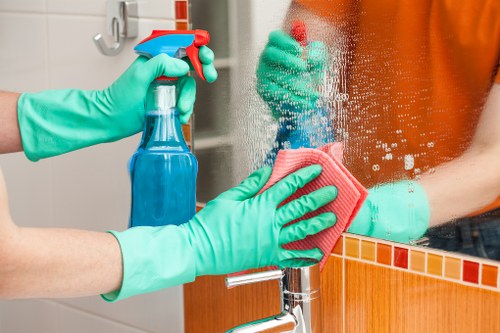
Communal area cleaning matters because shared spaces are used by multiple people every day. That constant traffic creates a higher demand for regular cleaning than in private homes or single-occupancy offices. When cleaning is neglected, dirt builds up in corners, smudges spread across glass and metal surfaces, and bacteria can accumulate on high-touch points such as handles, switches, intercoms, and lift buttons.
A strong communal area cleaning routine helps create a more pleasant atmosphere. Residents are more likely to feel proud of their building when corridors are tidy and the entrance looks cared for. Visitors notice the cleanliness immediately, and this can influence perceptions of management quality, safety, and general property standards.
There is also a practical side to communal area cleaning. Dust and debris can damage flooring, clog vents, and cause wear on carpets and hard surfaces. Spills can create slip hazards, while neglected waste areas may attract pests. Regular cleaning helps prevent these issues before they become expensive problems.
Key reasons communal area cleaning is important:
- Improves hygiene in high-traffic shared spaces
- Reduces the spread of germs and allergens
- Creates a positive impression for residents and visitors
- Helps prevent slips, trips, and falls
- Protects building materials from long-term damage
 Common Areas That Need Regular Attention
Not every communal area has the same cleaning needs, but all shared spaces benefit from routine maintenance. Some areas require daily attention, while others may only need weekly or periodic deep cleaning. The right schedule depends on foot traffic, property type, and the expectations of the people using the building.
Typical communal area cleaning zones include entrances, lobbies, corridors, stairwells, lift interiors, bin stores, laundry rooms, shared toilets, kitchens, and external access points. Each space presents its own challenges. For example, entrance mats may trap mud and moisture, while stair railings collect fingerprints and dust. Lift panels and door handles are especially important because they are touched frequently throughout the day.
Reception areas and communal lounges often need a more polished finish, particularly in buildings where the shared space contributes to a professional or premium image. Shared kitchens and toilets need strict hygiene standards, while outdoor communal areas may require litter picking, sweeping, and pressure cleaning depending on the season and location.
Examples of areas commonly included in communal area cleaning
- Front doors and entrance mats
- Staircases and landings
- Corridors and hallways
- Lift doors, buttons, and interiors
- Handrails and bannisters
- Mail areas and noticeboards
- Shared kitchens and break rooms
- Toilets, washrooms, and sinks
- Bin rooms and waste collection zones
- External pathways and communal steps
 What a Professional Communal Area Cleaning Service Includes
Professional communal area cleaning usually covers a structured set of tasks designed to keep shared spaces clean, hygienic, and presentable. A reliable service is not just about occasional sweeping or vacuuming. It is about maintaining standards consistently and addressing both visible dirt and hidden contamination.
Typical tasks may include vacuuming carpets, mopping hard floors, wiping down ledges and skirting boards, sanitising touchpoints, emptying bins, polishing glass, and removing cobwebs. In some buildings, cleaning teams also carry out spot cleaning for marks on walls, deep cleaning of floors, and safe treatment of sanitised surfaces. The goal is to keep every communal space looking well cared for between deeper maintenance cycles.
A professional team also follows site-specific instructions. This is important because communal area cleaning must align with access arrangements, resident expectations, health and safety procedures, and the building’s layout. Good communication ensures that cleaning happens at suitable times and causes as little disruption as possible.
Common services included
- Dusting and wiping high-touch surfaces
- Vacuuming carpets and rugs
- Mopping and sanitising floors
- Cleaning glass, mirrors, and polished surfaces
- Removing rubbish and replacing liners
- Disinfecting lifts, switches, and handles
- Restocking communal hygiene supplies where required
When the service is properly scheduled, communal area cleaning becomes a seamless part of building management rather than an afterthought.
 Benefits of Regular Communal Area Cleaning
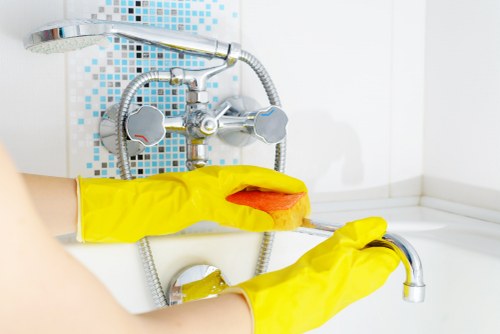
Regular communal area cleaning brings benefits that go far beyond appearance. One of the most important is hygiene. Shared spaces can easily become hotspots for germs, especially in busy buildings where hundreds of hands touch the same surfaces every week. Routine cleaning lowers the risk of cross-contamination and supports a healthier environment for everyone.
Another major benefit is safety. A clean corridor is easier to navigate than one cluttered with debris or left with wet floors. Proper cleaning reduces the chance of accidents caused by spills, loose litter, or slippery surfaces. In winter, communal area cleaning can also help control mud, rainwater, and salt residue at entrances and along pathways.
Property value and reputation also improve when shared spaces are kept in good condition. A tidy building suggests active management and care. For landlords and property managers, this can support tenant retention, reduce complaints, and contribute to higher satisfaction overall. People are more likely to respect and maintain a clean space when they see that it is regularly cared for.
Main advantages of routine cleaning
- Better hygiene and reduced germ spread
- Safer walkways and common areas
- Improved visual appeal and comfort
- Longer lifespan for carpets, tiles, and fixtures
- Fewer maintenance issues over time
- Stronger building reputation
There is also a psychological benefit. Clean communal areas make people feel more at ease. Residents often experience less stress in environments that look orderly and cared for, and that sense of comfort can improve daily life in meaningful ways.
 How to Build an Effective Communal Area Cleaning Plan
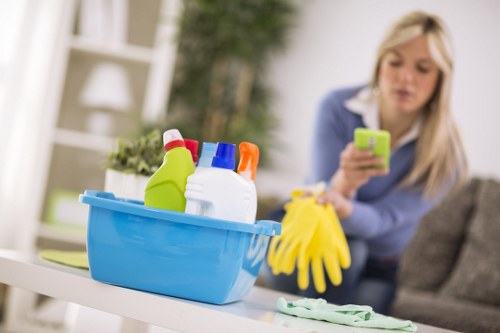
An effective communal area cleaning plan starts with understanding the needs of the building. A small apartment block with light traffic will need a different schedule from a busy commercial property or a large residential complex. The best plans are tailored to actual usage rather than based on a one-size-fits-all routine.
First, identify the spaces that need attention and how often they are used. Then decide which areas require daily cleaning, which need weekly servicing, and which should receive periodic deep cleans. High-touch zones should always be a priority. Areas that collect dirt from outside, such as entrance halls and stairwells, may also need more frequent maintenance during wet or muddy seasons.
It is important to set clear standards. Define what “clean” means for each area: what should be vacuumed, sanitised, polished, or emptied; how often bins should be changed; and how to report damages or maintenance issues. This helps ensure consistency and makes it easier to monitor results. A strong plan turns communal area cleaning into a dependable system rather than a reactive task.
Steps to create a practical cleaning schedule
- Assess traffic levels and cleaning needs
- List all communal spaces and surfaces
- Assign daily, weekly, and monthly tasks
- Prioritise high-touch and high-risk areas
- Include inspection and reporting procedures
- Review the plan regularly and adjust as needed
Best Practices for High-Quality Communal Area Cleaning
High-quality communal area cleaning depends on consistency, proper technique, and attention to detail. It is not enough to clean only the visible surfaces. A thorough approach should address corners, edges, hidden grime, and touchpoints that are often overlooked. The best results come from a combination of routine maintenance and occasional deeper cleaning.
Using the right products matters as well. Different materials need different care. For instance, polished stone, wood, glass, vinyl, and stainless steel should all be cleaned with suitable methods to avoid damage. Harsh chemicals can leave marks or dull finishes, while inappropriate tools may scratch delicate surfaces. Professional cleaning teams understand how to match the method to the material.
Another best practice is to clean from top to bottom and from least dirty to most dirty areas. This helps prevent dust and debris from being spread around. In communal area cleaning, attention should always be paid to hand contact points because they carry the highest hygiene risk. Regular disinfection of these surfaces is especially valuable in shared properties.
Useful best practices to follow
- Use colour-coded equipment where appropriate
- Prioritise touchpoints such as handles and switches
- Refresh entrance mats regularly
- Check for odours, stains, and spills during each visit
- Report repairs, damage, or pest concerns quickly
- Use safe, approved cleaning products
Communal Area Cleaning for Residential Buildings
In residential buildings, communal area cleaning has a direct effect on daily life. Hallways, staircases, and entrances are used by residents of all ages, including children, older adults, and people with mobility concerns. For this reason, the service needs to be reliable, respectful, and efficient. Residents want clean spaces without disruption, and they expect consistent standards throughout the building.
Apartment blocks often deal with mixed challenges such as muddy shoes, pet hair, food spills, dust, and litter from mail deliveries or shared waste points. The cleaning routine must respond to those realities. Common residential tasks include dusting handrails, vacuuming carpeted landings, cleaning lift cabins, sanitising door handles, and keeping bin rooms tidy and odour-controlled.
Communication is also important in residential communal area cleaning. Cleaning schedules should be clear enough to avoid confusion, and residents should know when access may be needed. In some cases, property managers display cleaning notices or service timings so that everyone understands the routine. This helps build trust and improves cooperation across the building.
Residential cleaning priorities
- Keep entrances clean and welcoming
- Reduce dust and allergens in enclosed corridors
- Maintain hygienic lift and stairwell surfaces
- Control waste areas to prevent odours and pests
- Ensure flooring remains safe and presentable
Communal Area Cleaning for Commercial and Mixed-Use Properties
Commercial and mixed-use properties often have more complex needs than residential buildings. Offices, retail units, clinics, and shared workspaces may all rely on the same communal access points, which means cleaning must support both professional image and hygiene expectations. These environments usually need more frequent attention because visitor numbers can be high and usage patterns may change throughout the day.
In commercial settings, communal area cleaning supports brand perception and staff wellbeing. A clean reception, corridor, or shared lobby creates confidence and professionalism. It also encourages employees and visitors to treat the space with care. In mixed-use buildings, service teams may need to coordinate with different occupants, each with distinct hours and access requirements.
Shared kitchens, waiting areas, washrooms, and lift foyers often need more intensive maintenance in commercial properties. Cleaning teams may focus on sanitising desks or counters in shared spaces, replenishing consumables, and ensuring the overall environment stays fresh and organised. The best approach balances efficiency with flexibility so that business operations continue smoothly.
Commercial cleaning considerations
- Higher footfall and faster dirt build-up
- Need for a polished professional appearance
- Flexible cleaning times to minimise disruption
- Regular sanitising of shared facilities
- Attention to presentation in client-facing areas
Health, Safety, and Compliance in Shared Space Cleaning
Health and safety are central to communal area cleaning. Shared buildings can pose risks if cleaning is done poorly or if chemicals, equipment, or wet floors are not managed correctly. A safe cleaning programme uses appropriate signage, follows cleaning protocols, and takes precautions to protect residents, visitors, and staff.
Compliance may involve risk assessments, documented procedures, safe storage of products, and proper training for cleaners. In higher-risk environments, additional measures may be needed for sharps, waste handling, or contamination control. Building managers should ensure that cleaning teams understand the property layout, emergency procedures, and any access restrictions.
Slip prevention is another critical issue. Wet floors should be marked clearly, and cleaning should ideally happen at times that reduce the chance of accidents. Equipment must be maintained in good condition, and spillages should be dealt with immediately. A safe approach to communal area cleaning protects both people and the property itself.
Safety-focused cleaning habits
- Display warning signs during floor cleaning
- Store chemicals securely and label them correctly
- Keep walkways free from cleaning equipment
- Use suitable PPE when needed
- Follow documented cleaning and reporting procedures
Choosing the Right Cleaning Frequency
One of the most common questions about communal area cleaning is how often it should be done. The answer depends on usage, building size, and the standards expected by occupants. Some spaces need daily cleaning because they are exposed to frequent traffic and high-touch contact. Others may be suitable for weekly servicing or periodic deep cleaning.
For example, entrance halls, lift buttons, shared washrooms, and waste areas often require more regular care than storage rooms or low-traffic back corridors. Seasonal changes also matter. During rainy or snowy periods, communal area cleaning may need to be increased to manage mud, moisture, and salt residue. In summer, odour control and ventilation checks may become more important.
Regular inspections help determine whether the current frequency is sufficient. If residents complain about odours, dirt, or visible buildup before the next cleaning visit, then the schedule probably needs to be adjusted. The right frequency keeps the building looking consistently cared for without wasting resources.
Why Professional Support Makes a Difference
While some buildings rely on internal staff or ad hoc arrangements, professional communal area cleaning offers a more dependable and polished result. Trained cleaners bring experience, efficiency, and a structured approach that helps ensure no area is missed. They also know how to work safely around residents and property assets.
Professional support can be especially valuable for larger properties, buildings with specialised surfaces, or shared spaces that demand higher hygiene standards. It also saves time for property managers, who can focus on broader responsibilities while the cleaning work is handled consistently. In many cases, professional communal area cleaning delivers better long-term value because it helps prevent damage, reduces complaints, and supports a stronger overall environment.
Most importantly, a quality service can adapt to the changing needs of the property. As occupancy changes, seasons shift, or new facilities are added, the cleaning plan can be updated. That flexibility ensures the communal space remains clean, functional, and appealing over time. When shared spaces are cared for properly, everyone benefits.
Final Thoughts on Communal Area Cleaning
Communal area cleaning is an essential part of maintaining safe, attractive, and healthy shared environments. From residential blocks to commercial buildings, regular cleaning protects people, preserves property, and improves the overall experience of using the space. It is one of those services that people notice most when it is missing and appreciate most when it is done well.
By establishing a clear cleaning schedule, focusing on high-touch areas, and prioritising safety and presentation, property managers and owners can make a significant difference to the quality of their buildings. Communal spaces do not have to feel neglected or difficult to manage. With the right approach, they can remain fresh, welcoming, and functional throughout the year.
If you are responsible for a shared property and want to improve standards, now is the perfect time to act. Contact us today to discuss a tailored approach, or book your service now to keep your communal areas looking their best. Consistent communal area cleaning is an investment in comfort, reputation, and peace of mind.