End of Tenancy Cleaning in : What Tenants and Landlords Need to Know
Understanding End of Tenancy Cleaning

End of tenancy cleaning is one of the most important tasks at the end of a rental agreement, and it can make a major difference to how smoothly the move-out process goes. Whether you are a tenant hoping to protect your deposit, a landlord preparing a property for new occupants, or an agent managing a turnover, end of tenancy cleaning helps restore the property to a presentable, hygienic, and inspection-ready condition.
The phrase itself may sound straightforward, but in practice it covers much more than a quick tidy-up. It usually involves deep cleaning kitchens, bathrooms, floors, appliances, fixtures, and hidden corners that often go unnoticed during routine cleaning. In many cases, tenancy cleaning is expected to meet a higher standard than regular household cleaning, especially when a property is being checked against an inventory report.
If you are planning a move, it is worth understanding what end of tenancy cleaning includes, why it matters, and how to approach it effectively. Done well, it can save time, reduce stress, and help avoid disputes over cleanliness and deductions. For many renters, this is the difference between getting the full deposit back and facing avoidable charges.
Why End of Tenancy Cleaning Matters
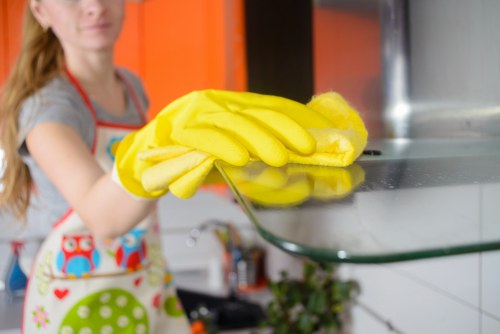
Many people underestimate how closely cleanliness is reviewed at the end of a lease. Landlords and letting agents often compare the property’s condition with the check-in inventory, looking for changes, stains, grime, limescale, dust, and general wear that could have been addressed through proper cleaning. This is why end of tenancy cleaning is such a crucial step in the move-out process.
A well-cleaned property supports a smoother handover and creates a positive impression. It shows respect for the home and can make the return of the deposit far less contentious. For landlords, a properly cleaned property is easier to market, photograph, and re-let. For tenants, thorough tenancy cleaning can help avoid back-and-forth discussions over issues that are purely related to cleanliness rather than damage.
There is also a practical advantage. Moving house is already demanding, and cleaning every part of a property during the final days can feel overwhelming. By planning ahead, allocating the right time, and using a structured approach, end of tenancy cleaning becomes much more manageable. It is not just about appearance; it is about meeting expectations and protecting everyone involved.
What End of Tenancy Cleaning Usually Includes

The exact checklist may vary depending on the property and the tenancy agreement, but most end of tenancy cleaning jobs focus on a full top-to-bottom clean. This often includes areas that are neglected in everyday cleaning routines. Kitchens and bathrooms typically require the most attention because they accumulate grease, moisture, soap scum, and limescale over time.
A standard tenancy cleaning checklist often covers the following:
- Dusting and wiping all reachable surfaces
- Cleaning inside and outside of cupboards and drawers
- Degreasing kitchen units, splashbacks, and extractor hoods
- Cleaning ovens, hobs, and appliances
- Scrubbing sinks, taps, baths, showers, and toilets
- Vacuuming and mopping all floors
- Removing cobwebs and dust from corners, skirting boards, and fixtures
- Cleaning mirrors, glass, and internal windows
- Emptying bins and removing all rubbish
Some properties may also require carpet cleaning, upholstery cleaning, or specialist stain removal. The goal is to bring the space back to a clean and neutral condition so that the next occupants can move in comfortably. Professional end of tenancy cleaning often aims to meet the expectations set by letting agents and landlords during final inspections.
How End of Tenancy Cleaning Differs from Regular Cleaning

Routine cleaning is about maintaining day-to-day hygiene, while end of tenancy cleaning is designed to reset the property for the next resident. That difference is important. A weekly clean might remove surface dust and keep visible areas tidy, but move-out cleaning goes deeper and addresses built-up dirt, overlooked spots, and problem areas that only become obvious during inspection.
For example, regular cleaning may involve wiping the kitchen counters and vacuuming the hallway. Tenancy cleaning, on the other hand, includes cleaning behind appliances, inside cupboards, around skirting boards, along door frames, and in places where grime tends to accumulate. Bathrooms also need more intensive treatment, especially around grout, taps, shower screens, drains, and behind toilets.
This is why many tenants choose a professional end of tenancy cleaning service rather than attempting the whole job alone at the last minute. A deep clean takes planning, patience, and the right products. When the property must be returned in excellent condition, standard cleaning habits are often not enough.
Common Areas That Need Extra Attention

Some parts of a rental property are more likely to fail an inspection if they are not cleaned properly. Knowing these areas in advance can make your end of tenancy cleaning much more effective. The highest-risk zones are usually the kitchen, bathroom, and high-traffic living spaces, but small details can matter just as much.
In the kitchen, pay special attention to ovens, hobs, fridge shelves, cupboard interiors, extractor fans, and grease around handles and switches. In bathrooms, focus on limescale on taps, showerheads, screens, toilets, tiles, and seals. Bedrooms and living rooms should be dust-free, with wardrobes, windowsills, light fittings, and skirting boards cleaned thoroughly. Hallways, stairs, and entrance areas should also be vacuumed, swept, and wiped down.
Here are a few often-missed spots during tenancy cleaning:
- Behind and under appliances
- Top edges of doors and frames
- Light switches and sockets
- Inside kitchen drawers and cabinet corners
- Window tracks and ledges
- Extractor vents and filters
- Radiators and pipework
These details may seem minor, but they can strongly influence the result of a final inspection. Small overlooked marks can create a big impression when the property is being assessed room by room.
Preparing for End of Tenancy Cleaning
Good preparation saves time and reduces stress. Before starting end of tenancy cleaning, the property should be fully emptied of personal belongings wherever possible. Cleaning an empty space is much easier than working around boxes, furniture, and scattered items. If removal day and cleaning day overlap, try to clean one room at a time to stay organised.
It also helps to gather the right equipment before you begin. A basic kit might include:
- Microfibre cloths
- Vacuum cleaner
- Mop and bucket
- Multipurpose cleaner
- Glass cleaner
- Degreaser
- Bathroom descaler
- Sponge, scrub brush, and gloves
Check the tenancy agreement as well. Some contracts specify cleaning expectations or mention professional carpet cleaning. If an inventory report is available, it can be extremely useful for identifying the condition that needs to be restored. Preparation is one of the most reliable ways to make tenancy cleaning faster, easier, and more successful.
Should You Clean It Yourself or Hire a Professional?
One of the biggest decisions tenants face is whether to do the work themselves or book a specialist end of tenancy cleaning service. Both options have benefits, and the best choice depends on time, budget, property size, and personal confidence with deep cleaning tasks. A DIY clean can save money, but it also requires effort, stamina, and attention to detail.
Hiring professionals can be especially helpful for larger homes, heavily used kitchens, or properties with carpets that need specialist treatment. A trained team can often complete the job more efficiently and to a higher standard because they use industrial-grade products, experience, and structured checklists. This can reduce the risk of missed areas and improve the chance of meeting inspection expectations.
Consider the following when deciding:
- Time available: Do you have enough hours to clean thoroughly?
- Property condition: Has the home been well maintained or does it need a deep clean?
- Equipment: Do you own suitable tools and products?
- Deposit risk: Would a professional clean give you peace of mind?
There is no single answer for every tenant, but a realistic assessment will help you make the best choice. In many cases, the cost of a professional clean can be outweighed by the value of reduced stress and improved results.
Room-by-Room Approach to Tenancy Cleaning
A structured approach is one of the most effective ways to handle end of tenancy cleaning. Rather than cleaning randomly, it is better to work room by room and top to bottom. This avoids re-cleaning already finished areas and helps you stay focused. Many people begin with the rooms that need the most attention, such as the kitchen and bathrooms, and then move through the rest of the property.
In the kitchen, start by removing loose items and wiping cabinets, shelves, and appliances. Clean the oven thoroughly, including trays, racks, and door glass. Degrease the hob, extractor fan, and splashback. In the bathroom, descale taps, clean the toilet base, polish mirrors, and remove soap residue from tiles and screens. Living spaces should be dusted from high surfaces down to lower surfaces, then vacuumed and mopped.
A room-by-room method also helps you keep track of what is complete and what still needs work. If you are short on time, you can prioritise the areas most likely to be inspected closely. This practical method is one of the easiest ways to make end of tenancy cleaning less stressful and more effective.
Kitchen Cleaning Tips That Improve Inspection Results
The kitchen is often the most scrutinised room during a move-out check. Grease and food residue can build up in hidden places, so end of tenancy cleaning in this area needs extra care. Start with the appliances, especially the oven, hob, microwave, fridge, and extractor hood. Remove shelves and drawers where possible so you can clean inside and around them properly.
Pay attention to cupboard fronts, handles, and the edges of worktops. These are high-touch areas that show grime quickly. Don’t forget sinks, taps, drains, and the sealant around them. If the property has tiled walls or a splashback, these should be cleaned and dried to remove streaks. Floors should be swept and mopped after all upper surfaces are finished so dust does not settle again.
Helpful kitchen checklist:
- Defrost and clean the fridge/freezer if included
- Remove grease from cooker hood filters
- Clean inside and behind small appliances
- Wipe down skirting boards and sockets
- Check for crumbs in drawer corners and under units
A spotless kitchen can make a strong final impression and supports a smoother property handover.
Bathroom Cleaning Tips for a Better Finish
Bathrooms often show signs of wear more quickly than other rooms, which makes them a critical part of end of tenancy cleaning. Limescale, water marks, soap scum, and mildew can all build up in a relatively short time. Start with the shower, bath, sink, toilet, and surrounding surfaces. Use suitable descaling and disinfecting products, and allow time for stubborn build-up to loosen before scrubbing.
Mirrors, glass panels, and chrome fittings should be polished so they are free from streaks. Grout lines and sealant may need extra attention if they have become discoloured. Always clean behind and around the toilet, not just the visible front surfaces. If there is a bathroom fan or vent, remove dust from the cover if accessible and safe to do so.
Bathroom cleanliness is often judged quickly but remembered clearly. A fresh, bright, odour-free bathroom creates a strong sense of overall property care and can influence the outcome of a tenancy inspection.
Living Rooms, Bedrooms, and Hallways
Although kitchens and bathrooms get the most attention, living spaces still matter in end of tenancy cleaning. Dust accumulates on shelves, skirting boards, window ledges, lights, and behind furniture. Carpets or hard floors should be cleaned thoroughly, and any marks on walls or doors should be removed where possible without damaging paintwork.
Bedrooms should be checked carefully for dust in wardrobes, under beds, and around radiators. Hallways and stairs often collect footprints, pet hair, and general traffic dirt, so they should be vacuumed and wiped down. Windows and internal glass surfaces can also make a noticeable difference when polished. Clean, fresh rooms help the property feel ready for immediate occupation.
To improve results, work from the top down: ceiling corners, light fixtures, shelves, walls, then furniture, and finally the floors. This method prevents dust from falling onto areas you have already cleaned. A tidy finish in the living areas supports the overall impression of a well-maintained home.
Carpet and Upholstery Considerations
Many tenancy agreements and inspection reports include carpet condition as part of the move-out process. Vacuuming alone may not be enough if there are stains, odours, or flattened fibres. For that reason, end of tenancy cleaning often includes carpet shampooing or steam cleaning, especially in properties with heavy foot traffic or pets. Fresh carpets can significantly improve the look and feel of a rental property.
If furniture has been in place for a long time, consider the marks left behind by tables, sofas, or beds. These areas may need extra vacuuming or stain treatment. Upholstery should also be checked for crumbs, dust, and visible marks. If the landlord expects professional carpet cleaning, make sure you have evidence of the service, as this can be important during the final review.
Carpet care is not only about appearance; it also helps reduce lingering odours and creates a healthier environment for the next tenants. When combined with the rest of the tenancy cleaning, it contributes to a strong overall finish.
How to Avoid Common Mistakes
Even careful tenants can make mistakes during end of tenancy cleaning. One of the most common problems is leaving the task too late. Cleaning under pressure often results in missed areas, poor drying time, and unnecessary stress. Another frequent issue is using the wrong products on delicate surfaces, which can lead to damage or visible streaking.
Other mistakes include forgetting inside cupboards, ignoring extractor fans, failing to remove limescale, and not checking behind appliances. Some tenants also clean around their belongings rather than moving everything out, which limits access and can leave hidden dust behind. Poor ventilation and rushed drying can also create a less polished finish, especially in bathrooms and kitchens.
To avoid these problems, create a realistic plan and allow enough time. If the property is large or the condition is poor, it may be better to spread the work over two days or book help. Attention to detail is what separates average results from a successful end of tenancy clean.
The Role of Inventory and Final Inspection
Inventory reports are central to the tenancy handover process because they document the property’s condition at the start and end of the lease. This makes them especially relevant to end of tenancy cleaning. If the inventory shows a clean oven, polished taps, and dust-free surfaces at check-in, the final condition should ideally match that standard or better.
During the final inspection, landlords or agents may look at cleanliness room by room. They might inspect cupboard interiors, window sills, appliance condition, bathroom fittings, and floors. If the home looks cleaned but still contains dust, grease, or marks in obvious places, concerns may be raised. That is why a full, consistent approach matters so much.
Keep in mind that cleaning is different from repair. Small scuffs or worn paint may be considered normal use, but dirt, grime, and stains usually fall within the tenant’s cleaning responsibility. Understanding this distinction can help avoid unnecessary disputes and keep the end of the tenancy process smoother.
Why Professional End of Tenancy Cleaning Is Worth Considering
There are many reasons people choose a professional end of tenancy cleaning service. Convenience is one major factor, especially when moving deadlines are tight. Professional cleaners bring the right equipment, products, and experience to handle difficult cleaning tasks efficiently. They know where dirt builds up and how to treat common problem areas without wasting time.
Another benefit is consistency. A trained team can follow a checklist methodically, reducing the chances of missing key details. Many services also understand the standards typically expected by landlords and letting agents. This can be especially reassuring if you are trying to ensure the best possible outcome for your deposit return. For larger properties, professional tenancy cleaning can also be the most practical solution.
When time is limited and expectations are high, outsourcing the job can be a smart investment. It allows you to focus on moving, paperwork, and settling into your new home while the property you are leaving is cleaned to a high standard.
Final Thoughts on End of Tenancy Cleaning
End of tenancy cleaning is much more than a final tidy-up. It is a key part of the moving process that affects deposit returns, landlord relationships, and the condition in which a property is passed on. Whether you clean the property yourself or choose a professional service, the goal is the same: leave the home in excellent condition and ready for its next occupants.
A successful tenancy clean depends on planning, thoroughness, and attention to detail. Kitchens, bathrooms, carpets, and hidden surfaces all deserve careful treatment. By working methodically and avoiding rushed shortcuts, you can improve the final result and reduce the risk of deductions or disputes. Strong preparation and consistent cleaning effort can make a significant difference at the end of any rental agreement.
If you are approaching the end of your lease, start early, follow a clear checklist, and make sure every room receives proper attention. Contact us today or book your service now if you want a clean finish that supports a smooth move-out experience and a confident handover.