Deep Cleaning: A Smarter Way to Refresh Every Space
Deep cleaning is more than a routine chore. It is a focused, detailed process that goes beyond surface tidying to remove built-up dirt, hidden grime, dust, and bacteria from the places people often overlook. Whether you are caring for a home, office, rental property, or commercial space, deep cleaning helps restore freshness, improve hygiene, and create a healthier environment. Many people search for deep cleaning services when regular cleaning is no longer enough, and for good reason: a thorough cleaning can make a dramatic difference in how a space looks, feels, and functions.
In today’s fast-paced world, maintaining a clean environment can be challenging. Everyday life leaves behind fingerprints, spills, pet hair, grease, and airborne dust that settle into corners, vents, floors, and fixtures. Over time, these layers build up, making a space appear dull and worn. That is where deep cleaning comes in. It focuses on detail, sanitation, and rejuvenation, helping properties feel renewed from top to bottom. For anyone wanting a healthier and more appealing space, deep cleaning is a practical investment.
From kitchens and bathrooms to carpets, upholstery, and high-touch surfaces, deep cleaning tackles the areas routine cleaning often misses. It is especially valuable before moving into a new home, after renovations, during seasonal resets, or when preparing a property for guests, tenants, or buyers. If you want a cleaner environment that supports comfort and peace of mind, deep cleaning is the answer.
What Deep Cleaning Really Means
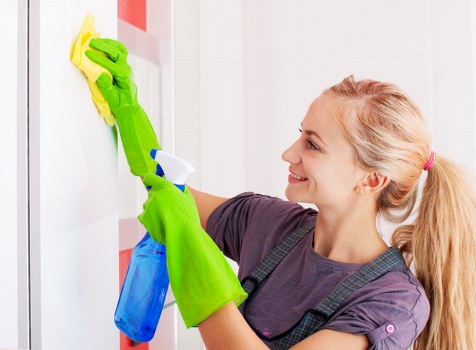
Deep cleaning is a more intensive form of cleaning designed to reach the nooks, corners, and surfaces that ordinary maintenance cleaning may not address. While regular cleaning focuses on visible clutter and basic upkeep, deep cleaning goes several steps further. It includes scrubbing, sanitizing, degreasing, dust removal, and detailed attention to hard-to-reach areas.
This process is often needed when dirt accumulates over time or when a space requires a reset. It can involve cleaning behind appliances, wiping baseboards, removing soap scum, washing wall marks, disinfecting switches, and refreshing upholstery. In other words, deep cleaning is about restoring a higher standard of cleanliness, not just making things look neat on the surface.
Many people also use the term thorough cleaning, detailed cleaning, or spring cleaning when discussing this type of service. Although these phrases may vary, the objective remains the same: remove buildup, improve hygiene, and bring the property back to a cleaner, healthier state.
Why Deep Cleaning Matters for Homes and Businesses
Deep cleaning matters because it impacts more than appearance. A clean environment supports better health, reduces allergens, and creates a more comfortable atmosphere. Dust mites, grease, mold, pet dander, and bacteria can settle into soft furnishings, grout lines, vents, and under furniture. Without detailed cleaning, these contaminants continue to accumulate.
For homeowners, deep cleaning can reduce odors, improve indoor air quality, and make daily living more enjoyable. For businesses, it can support a more professional image, healthier staff conditions, and a better impression on customers or clients. A spotless reception area or sanitized workspace communicates care, order, and attention to detail.
There is also a psychological benefit. People tend to feel calmer and more organized in a space that is truly clean. That is why deep cleaning services are often booked before special occasions, post-event resets, seasonal transitions, or major life changes. A refreshed environment can make everyday routines feel easier and more pleasant.
Common situations where deep cleaning is valuable
- Moving in or moving out of a property
- After renovations or construction work
- Seasonal resets, especially spring or year-end cleaning
- Preparing for guests, tenants, or buyers
- After illness or extended vacancy
- When regular cleaning no longer feels sufficient
Areas That Need the Most Attention During Deep Cleaning

A successful deep cleaning process targets the places that collect hidden grime. These areas are often missed during weekly or routine cleaning because they are harder to access or require more effort. Focusing on them can significantly improve the overall cleanliness of a property.
Kitchens are one of the biggest priorities. Grease can build up on cabinets, backsplashes, stovetops, and range hoods. Inside ovens, microwaves, refrigerators, and dishwashers, crumbs and spills can accumulate quickly. Detailed kitchen cleaning also includes wiping handles, degreasing surfaces, and sanitizing prep areas where food is handled.
Bathrooms require equally careful attention. Soap scum, mildew, hard water stains, and bacteria often develop on tiles, tubs, sinks, toilets, and shower screens. A proper deep cleaning routine tackles grout lines, exhaust fans, faucets, mirrors, and behind-toilet areas. These are the spaces that make the biggest difference when sanitized thoroughly.
Other key areas to clean deeply
- Baseboards, doors, and door frames
- Light switches and outlet covers
- Air vents and ceiling fans
- Under furniture and behind appliances
- Window tracks, blinds, and sills
- Carpets, rugs, and upholstery
Deep Cleaning vs Regular Cleaning
It is important to understand the difference between regular upkeep and deep cleaning. Regular cleaning is usually performed on a daily or weekly basis and focuses on visible surfaces. It includes tasks such as sweeping, wiping countertops, taking out trash, and vacuuming. While essential, it does not always reach deeper buildup.
Deep cleaning, by contrast, is more detailed and time-intensive. It involves moving furniture, scrubbing stubborn stains, sanitizing hidden surfaces, and addressing areas that are not part of everyday routines. It often requires stronger cleaning solutions, specialized tools, and a structured plan.
Think of regular cleaning as maintenance and deep cleaning as restoration. Both matter, but they serve different purposes. A property that is regularly maintained still benefits from a periodic detailed cleaning because even the cleanest spaces collect dust, residue, and germs over time.
Simple comparison
- Regular cleaning: quick upkeep, visible surfaces, frequent tasks
- Deep cleaning: intensive detail work, hidden buildup, occasional scheduling
- Regular cleaning: keeps a space presentable
- Deep cleaning: restores freshness and hygiene
Benefits of Deep Cleaning

The benefits of deep cleaning extend far beyond a polished appearance. One major advantage is improved hygiene. By removing dust, bacteria, and allergens, the space becomes cleaner and safer for everyone who uses it. This is especially helpful for households with children, elderly family members, pets, or anyone with allergies or respiratory sensitivities.
Another benefit is odor reduction. Lingering smells often come from hidden sources such as trash buildup, grease, mildew, or fabric fibers. Deep cleaning targets these sources directly, leaving rooms smelling fresher and more inviting. A clean-smelling environment can make an immediate difference in comfort.
Deep cleaning can also extend the life of surfaces and furnishings. When dirt and residue are removed before they become embedded, carpets, tiles, appliances, and upholstery stay in better condition for longer. This can reduce wear, protect your investment, and limit the need for expensive replacements.
Additional advantages include
- Better indoor air quality
- A more organized and stress-free environment
- Improved appearance for guests or customers
- Reduced allergens and dust buildup
- Enhanced comfort and productivity
How to Prepare for a Deep Cleaning Session
Preparation helps make deep cleaning more effective. Before starting, it is useful to declutter the area so that surfaces can be reached more easily. Remove items from countertops, clear floors, and put away loose belongings. This creates better access to the spaces that need attention.
It is also smart to gather the right supplies. Depending on the job, you may need microfiber cloths, disinfectant, scrub brushes, sponges, gloves, glass cleaner, degreaser, a vacuum cleaner, and mop solutions. For larger jobs or specialty surfaces, it may be better to use professional-grade products and tools.
Planning is another important step. Divide the space into sections and work from top to bottom so dust and debris fall to areas that have not yet been cleaned. This approach saves time and prevents rework. When possible, open windows for ventilation and allow cleaning products to work properly in the area.
Preparation checklist
- Declutter visible surfaces and floors
- Remove fragile or valuable items
- Gather supplies in advance
- Plan the order of cleaning tasks
- Ventilate rooms if using strong products
Room-by-Room Deep Cleaning Priorities
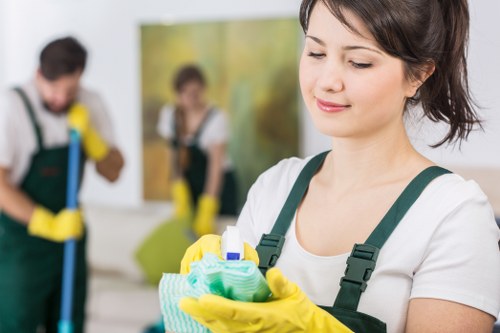
Different rooms need different approaches, and a successful deep cleaning plan should reflect that. Kitchens, bathrooms, bedrooms, living areas, and entryways each have unique cleaning challenges. Tailoring your approach ensures better results and helps you avoid wasting time on the wrong details.
In the kitchen, focus on grease, food residue, and disinfecting high-touch points. In bathrooms, target stains, limescale, soap buildup, and moisture-prone areas. In bedrooms, prioritize dust removal, bedding care, mattress refreshing, and under-bed spaces. Living rooms often need upholstery cleaning, electronics dusting, and careful treatment of shelves or decorative items.
Entryways and hallways are often neglected but can collect dirt from shoes, bags, and daily traffic. These spaces benefit from floor cleaning, wall spot treatment, and attention to door handles and trim. A room-by-room plan helps ensure no part of the property is overlooked.
Room-specific focus areas
- Kitchen: appliances, counters, cabinets, grease removal
- Bathroom: grout, fixtures, drains, mirrors, sanitation
- Bedroom: bedding, closets, under furniture, dust removal
- Living room: sofas, electronics, shelves, vents
- Entryway: floors, doors, trim, high-touch surfaces
Deep Cleaning Tools and Products That Make a Difference
The right tools can make deep cleaning much easier and more effective. While basic supplies can handle routine upkeep, detailed cleaning often requires tools that reach deeper, scrub harder, or sanitize more thoroughly. Choosing the right combination saves effort and improves the final result.
Microfiber cloths are excellent for trapping dust without spreading it around. Scrub brushes help lift grime from grout, tile, and textured surfaces. A powerful vacuum with attachments can reach corners, upholstery, and vents. Steam cleaners are useful for sanitizing certain surfaces without heavy chemical use, while mop systems and degreasers can handle floors and kitchen buildup.
It is also essential to use products safely and according to the surface type. Not every cleaner is suitable for natural stone, wood, stainless steel, or fabric. Reading labels and testing products on a small area first can help prevent damage while still achieving strong results.
Useful tools often include
- Microfiber cloths and dusters
- Scrub brushes and grout brushes
- Vacuum cleaners with attachments
- Mop and bucket systems
- Steam cleaners for certain surfaces
- Disinfectants, degreasers, and glass cleaners
How Often Should Deep Cleaning Be Done?
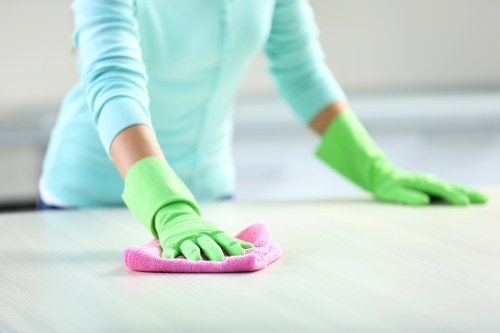
The ideal frequency for deep cleaning depends on how the space is used. Homes with children, pets, or busy households may need detailed cleaning more often than low-traffic spaces. Businesses and commercial locations may require scheduled deep cleaning monthly, quarterly, or at specific intervals based on their industry.
As a general rule, many homes benefit from a full deep cleaning at least a few times a year, with more frequent attention to kitchens and bathrooms. High-use areas may need extra care in between. A seasonal schedule is a practical way to stay ahead of buildup without feeling overwhelmed.
Some signs that it is time for deep cleaning include lingering odors, visible grime in corners, dull floors, dusty vents, stained grout, and surfaces that no longer feel fresh even after regular cleaning. When these signs appear, a detailed reset can restore the space quickly and effectively.
Common timing options
- Seasonally: spring, summer, fall, and winter resets
- Monthly: for high-use homes or commercial settings
- Quarterly: for balanced maintenance and thoroughness
- As needed: after events, renovations, or major changes
DIY Deep Cleaning vs Professional Deep Cleaning Services
Some people prefer to handle deep cleaning themselves, while others choose professional support. Both options can work well depending on time, budget, and the level of detail required. DIY cleaning may be ideal for smaller homes or routine seasonal upkeep, especially when you already have the right tools and energy to do the work thoroughly.
Professional deep cleaning services are often the better choice for larger spaces, tight schedules, post-renovation mess, or situations that require specialized equipment. Professional cleaners are trained to work efficiently, follow detailed checklists, and handle challenging cleaning tasks. They may also have access to stronger products and techniques for stubborn buildup.
The decision often comes down to convenience and results. If you want a major reset without spending hours scrubbing every corner, hiring a team can be a smart move. If you enjoy cleaning and want to manage the process yourself, a detailed plan can still deliver excellent outcomes.
When professional help may be best
- After construction or remodeling
- Before or after moving
- For large or heavily used properties
- When time is limited
- When stubborn buildup needs expert treatment
Best Practices for Long-Lasting Results
One deep cleaning session can make a major difference, but keeping that freshness requires maintenance. The best results come from combining detailed cleaning with regular habits that prevent new buildup from forming too quickly. Small efforts each week can help preserve the work you have done.
Focus on high-touch areas such as handles, switches, counters, and bathroom fixtures. Wipe spills immediately before they harden. Vacuum or sweep often, especially in entryways and around furniture. In kitchens, stay ahead of grease and crumbs. In bathrooms, remove moisture quickly to reduce mildew and soap residue.
It is also helpful to create a repeatable system. Breaking tasks into weekly, monthly, and seasonal categories makes cleaning more manageable. This way, deep cleaning becomes part of a smart routine instead of an exhausting once-in-a-while project.
Maintenance habits that help
- Clean high-touch surfaces regularly
- Address spills and stains right away
- Vacuum and mop on a consistent schedule
- Use mats to reduce dirt tracking
- Refresh bathrooms and kitchens often
Why Deep Cleaning Supports a Healthier Lifestyle
Deep cleaning is not just about appearance; it supports a healthier and more functional lifestyle. A cleaner home or workplace can reduce stress, limit exposure to dust and bacteria, and create a setting where people feel more comfortable spending time. This can have a positive effect on energy, mood, and productivity.
For families, detailed cleaning helps create a safer environment for children to play, eat, and rest. For workers, it supports concentration and a more pleasant atmosphere. For property owners, it enhances value and makes spaces more appealing to future occupants. In every case, the results go beyond what the eye can see.
When a space feels fresh, organized, and sanitized, everyday life becomes easier. That is why deep cleaning remains one of the most practical ways to care for a property. It delivers both immediate and long-term benefits, making it a wise choice for any household or business aiming for cleaner, healthier surroundings.
Final Thoughts
Deep cleaning is one of the most effective ways to restore a property, improve hygiene, and create a more welcoming environment. Unlike routine cleaning, it tackles hidden buildup and brings attention to the places that often go unnoticed. From kitchens and bathrooms to floors, furniture, and vents, every detail matters when the goal is a truly refreshed space.
If your home or workplace is ready for a reset, now is the perfect time to act. Book your service now or Contact us today to take the next step toward a cleaner, healthier environment. A detailed clean can transform the way your space looks, feels, and functions.
Deep cleaning is not just a task. It is a smart habit, a protective measure, and a powerful way to keep your surroundings in top condition all year long.